Takeaway:
- Steel entry doors offer strength, security, and energy efficiency, but proper installation determines their long-term performance.
- Accurate framing, weatherproofing, and hardware alignment are the most common failure points during installation.
- Working with an experienced installer helps avoid air leaks, warping, and warranty issues down the road.
Homeowners searching for durable, secure entryways often turn to steel doors for home installation because steel resists warping, dents, and forced entry better than wood or fiberglass alternatives. The material has become a preferred choice for exterior doors across the United States, particularly in regions with extreme temperature swings or higher security concerns.
Getting the installation right matters as much as the product itself. A steel door that is not properly framed, sealed, or aligned can develop drafts, rust at the edges, or fail to latch correctly within a few years. Homeowners in Austin working with local specialists such as Portella Steel Doors & Windows – Austin often ask what separates a professional installation from a rushed one, and the answer usually comes down to preparation, measurement, and sealing technique.
Why Steel Doors Perform Differently Than Other Materials
Steel doors are built around a rigid frame, typically filled with foam insulation, which gives them a strength-to-weight ratio that wood and vinyl doors cannot match. This construction also makes them more resistant to impact damage, which is one reason they are commonly specified for both residential entries and storm-prone regions.
Energy performance is another factor driving demand. According to the U.S. Department of Energy, exterior doors with proper insulation and weatherstripping can meaningfully reduce air leakage compared to older, poorly sealed doors. Steel doors with insulated cores are frequently rated for this kind of performance when installed with correct sealing methods.
Key advantages homeowners typically look for:
- Resistance to warping in humid or high-heat climates
- Higher forced-entry resistance compared to hollow-core wood doors
- Compatibility with modern insulation cores for energy savings
- Lower long-term maintenance compared to painted wood surfaces
Installation Tips That Protect Performance
Steel doors are durable, but installation mistakes can undermine that durability quickly. The most common issues involve frame squareness, gap sizing, and moisture control at the threshold.
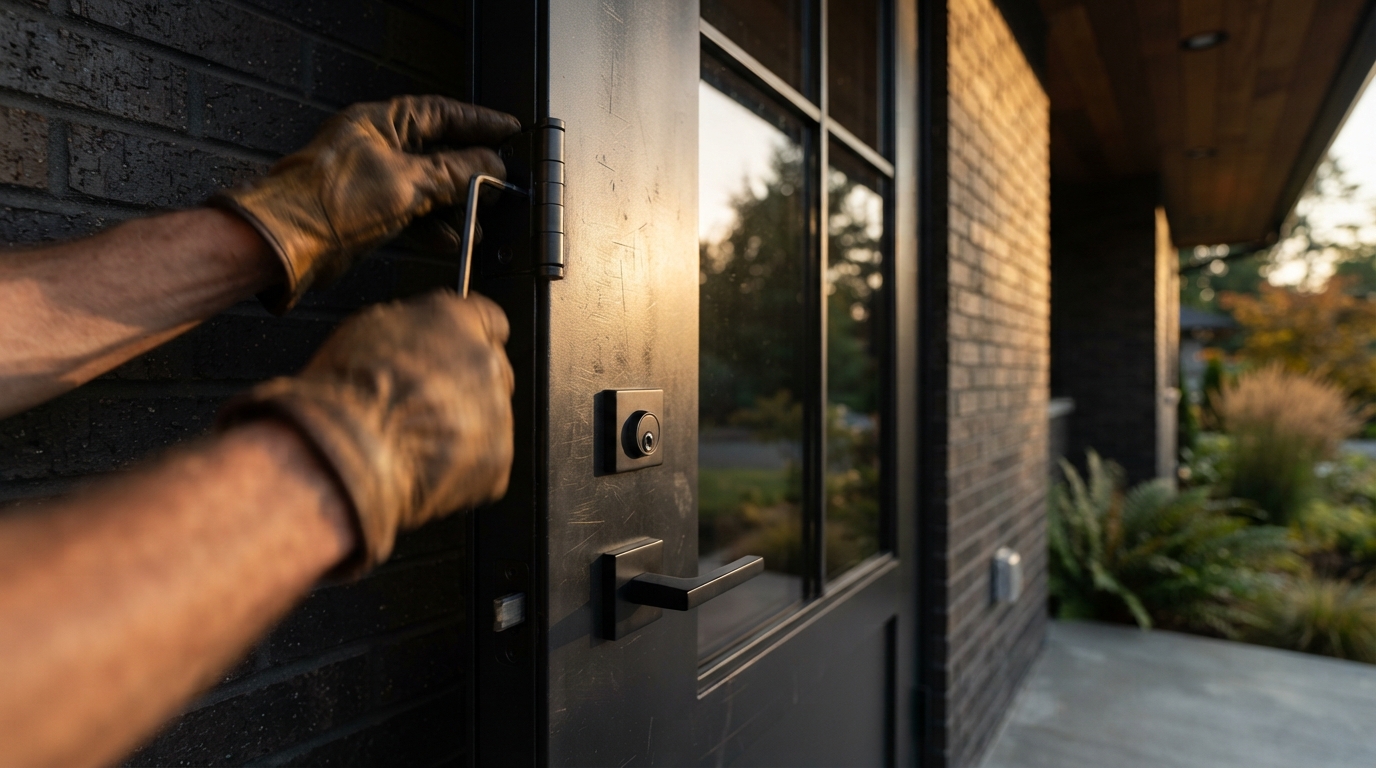
1. Confirm the rough opening is square. Even a small deviation can cause binding or uneven gaps once the door is hung.
2. Use a continuous bead of sealant around the frame perimeter before setting the unit, not just at the corners.
3. Install a sloped threshold pan to direct water away from the subfloor, especially in climates with heavy rain.
4. Shim evenly on both sides to prevent the door from sagging on its hinges over time.
5. Check reveal gaps (the space between the door and frame) are consistent, typically an even margin on all sides.
Skipping any of these steps can lead to callbacks for air leaks, sticking doors, or premature hardware wear.
Comparing Steel Doors to Common Alternatives
| Feature | Steel Doors | Wood Doors | Fiberglass Doors |
| Impact resistance | High | Moderate | High |
| Maintenance needs | Low | High (refinishing) | Low to moderate |
| Insulation potential | High with foam core | Moderate | High |
| Typical lifespan factor | Long with proper sealing | Shorter without upkeep | Long |
This comparison is general and can vary based on the specific product line, climate, and installation quality, so homeowners should confirm specifications with a supplier before purchasing.
Choosing a Qualified Installer
Not every general contractor has experience with steel door systems, particularly when it comes to weatherproofing details or hardware calibration for heavier panels. Asking about past installation experience, warranty terms, and whether the installer sources doors directly from a manufacturer can help homeowners avoid mismatched expectations.
Portella Steel Doors & Windows – Austin works with steel entry systems as part of its product offerings, and homeowners considering an upgrade can review service details directly through the Portella Steel Doors & Windows – Austin business profile before scheduling a consultation.
Frequently Asked Questions
Do steel doors rust over time? Quality steel doors are typically coated and primed to resist corrosion, but chips or scratches in the finish should be touched up promptly to prevent moisture exposure.
Can steel doors be painted or customized? Most steel doors accept exterior-grade paint finishes, allowing homeowners to match trim colors or architectural style without compromising the door’s protective coating.
How long does a steel door installation typically take? A single-door installation is often completed within a day, though timelines can extend if framing repairs or custom sizing are required.
Are steel doors a good fit for older homes? Steel doors can be adapted to many existing openings, but older homes with non-standard framing may need additional measurement work to ensure a proper fit.
Steel entry doors remain a practical option for homeowners prioritizing durability and security, provided the installation process accounts for framing accuracy, sealing, and hardware alignment. Taking time to vet an installer’s experience with steel systems specifically, rather than general door installation, can prevent the most common long-term issues. For homeowners in the Austin area exploring steel door options, reviewing local specialists and asking direct questions about installation methods is a reasonable starting point before committing to a purchase.
Adelfa Abril
Adelfa Abril, a seasoned wordsmith specializing in the realm of Home Improvement, infuses her writing with a unique blend of creativity and practical insights. With a deep appreciation for the artistry of home transformation, Adelfa is committed to guiding her readers through the intricate and rewarding journey of enhancing living spaces. In Adelfa's narratives, words take on a vibrant hue, painting a vivid picture of innovative designs, sustainable practices, and the seamless integration of functionality and aesthetics. Her articles serve as an invaluable resource for those seeking not only to beautify their homes but to infuse them with character and personality. Adelfa Abril's exploration of Home Improvement goes beyond the ordinary, delving into the uncharted territories of unconventional designs, mindful living, and the joy of do-it-yourself endeavors. Her writing captures the essence of making homes not just visually appealing but also spaces that resonate with the unique stories of those who inhabit them. With a wealth of knowledge at her fingertips, Adelfa's commitment to delivering content is evident in every piece she crafts. Her articles are more than informative guides; they are invitations to embark on a transformative journey where Home Improvement becomes an art form, accessible to all who seek to express their individuality through their living spaces. Adelfa Abril invites readers to explore the exciting intersection of expertise and inspiration. Through her engaging and thought-provoking writing, she envisions a world where the act of improving one's home is not just a practical endeavor but a delightful and empowering adventure.