Quick take:
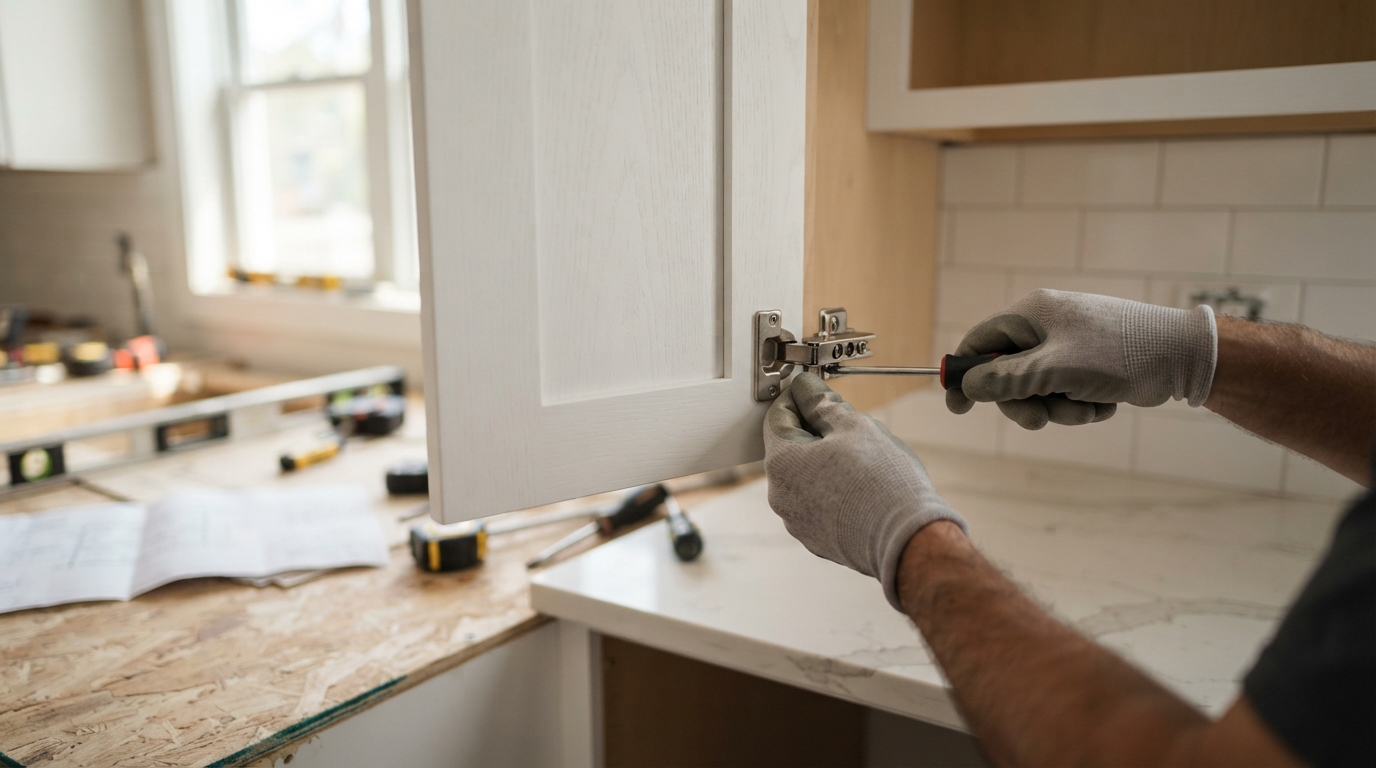
• White shaker cabinets pair a recessed center panel with a clean frame, making them a flexible match for New Orleans kitchens ranging from shotgun houses to modern renovations.
• Material choice (solid wood, plywood, or MDF core) affects how cabinets handle the region’s humidity over time.
• Countertop and hardware pairings matter as much as the cabinet style when planning a full kitchen update.
Homeowners searching for white shaker cabinets New Orleans LA are typically trying to figure out whether this style fits an older home’s layout, how it holds up in a humid climate, and what it costs to pair with stone countertops. The short answer: shaker cabinetry is one of the most adaptable styles available, and in New Orleans it works well in both historic and contemporary kitchens when paired with moisture-conscious materials and finishes.
For anyone comparing cabinet styles before a renovation, White Shaker Cabinets New Orleans LA remain a popular starting point because the flat-panel design reads as both traditional and current. The style originated with Shaker furniture makers who prioritized simplicity, and that restraint is part of why it still photographs well against marble, granite, or quartz countertops. Choosing the right cabinet construction, however, matters more in Louisiana than in drier climates.
Why Shaker Style Works in Historic and New Builds Alike
New Orleans housing stock spans shotgun singles, Creole cottages, and newer construction, and shaker cabinets tend to suit all three.
• The recessed-panel door avoids ornate detailing that can clash with older trim and molding.
• The flat, square lines read as transitional, so they do not compete with updated appliances or newer flooring.
• White finishes reflect light in kitchens with smaller windows, which is common in narrower shotgun-style layouts.
Because the style is simple rather than trend-specific, it tends to age well visually, which matters for homeowners planning to stay in a property long term or preparing it for resale.
Material and Climate Considerations
Humidity is the biggest practical factor when choosing cabinetry in the Gulf South. Louisiana’s climate is classified as humid subtropical, and the National Weather Service New Orleans climate data documents consistently high relative humidity across most of the year. Wood and wood-composite materials can expand and contract with moisture swings, so construction quality affects long-term performance more than style choice alone.
|
Cabinet Core Material |
Moisture Resistance |
Typical Use Case |
|
Solid wood |
Moderate, needs sealed finish |
Painted shaker doors, frames |
|
Plywood box construction |
Good |
Cabinet boxes behind doors |
|
MDF (medium-density fiberboard) |
Good when properly sealed, smooth paint finish |
Shaker door panels |
Kitchens near exterior walls, laundry areas, or homes without consistent air conditioning during shoulder seasons benefit from cabinetry with sealed edges and quality paint finishes, since repeated humidity cycling is harder on raw or poorly sealed wood.
Pairing Cabinets With Countertops and Hardware
A cabinet update rarely happens in isolation. Most kitchen projects also involve countertop selection, since the two surfaces visually anchor the room together.
• Light quartz or marble countertops keep the look bright and continue the clean lines of shaker doors.
• Darker granite or soapstone creates contrast and can hide daily wear in a busy kitchen.
• Brushed nickel or matte black hardware are common pairings with white shaker fronts, depending on whether the kitchen leans traditional or more contemporary.
Local fabricators and suppliers familiar with regional humidity and stone sourcing, such as Jerusalem Stone, work with homeowners on matching countertop material to cabinetry style as part of a broader kitchen update rather than treating each element separately.
Planning the Project Timeline
A realistic cabinet and countertop update generally follows a sequence: measuring and material selection, cabinet ordering or fabrication, countertop templating after cabinets are installed, and final installation. Skipping the templating step before cabinets are fully set is a common cause of measurement errors, since countertop dimensions depend on the exact cabinet placement.
• Confirm cabinet depth and door style before ordering countertops.
• Schedule countertop templating only after cabinet installation is complete.
• Build in extra lead time for custom stone fabrication, which typically takes longer than stock cabinet orders.
Homeowners who sequence these steps correctly tend to avoid costly rework, particularly when combining custom stonework with standard or semi-custom cabinet lines.
Frequently Asked Questions
Do white shaker cabinets work in small New Orleans kitchens? Yes. The flat panel and light finish tend to make narrow or galley-style kitchens, common in shotgun homes, feel more open without requiring structural changes.
Are shaker cabinets more expensive than other styles? Cost depends on material and construction quality rather than style alone. Solid wood and custom sizing generally cost more than stock MDF-panel options, regardless of whether the door style is shaker or something else.
Can shaker cabinets be paired with natural stone countertops? Yes, this is one of the most common pairings in kitchen renovations, since the simple door style does not compete visually with veined marble or granite.
Planning a kitchen update involves more than picking a door style. Matching cabinet construction to the local climate, sequencing countertop work correctly, and choosing finishes that complement both old and new home layouts all shape the final result. For homeowners weighing cabinetry alongside stone countertop options, consulting a local fabricator such as Jerusalem Stone can help clarify how these pieces fit together before committing to a full renovation timeline.
Adelfa Abril
Adelfa Abril, a seasoned wordsmith specializing in the realm of Home Improvement, infuses her writing with a unique blend of creativity and practical insights. With a deep appreciation for the artistry of home transformation, Adelfa is committed to guiding her readers through the intricate and rewarding journey of enhancing living spaces. In Adelfa's narratives, words take on a vibrant hue, painting a vivid picture of innovative designs, sustainable practices, and the seamless integration of functionality and aesthetics. Her articles serve as an invaluable resource for those seeking not only to beautify their homes but to infuse them with character and personality. Adelfa Abril's exploration of Home Improvement goes beyond the ordinary, delving into the uncharted territories of unconventional designs, mindful living, and the joy of do-it-yourself endeavors. Her writing captures the essence of making homes not just visually appealing but also spaces that resonate with the unique stories of those who inhabit them. With a wealth of knowledge at her fingertips, Adelfa's commitment to delivering content is evident in every piece she crafts. Her articles are more than informative guides; they are invitations to embark on a transformative journey where Home Improvement becomes an art form, accessible to all who seek to express their individuality through their living spaces. Adelfa Abril invites readers to explore the exciting intersection of expertise and inspiration. Through her engaging and thought-provoking writing, she envisions a world where the act of improving one's home is not just a practical endeavor but a delightful and empowering adventure.