In this article
- Why Do Flooring Transitions Matter?
- What Happens When New Laminate Meets Existing Carpet?
- How Does New Carpet Connect to Existing Hard Flooring?
- What Changes When Tile Meets Another Flooring Material?
- Can Two Hard Floors Meet Without a Transition Strip?
- Why Does Floor Height Matter Between Rooms?
- How Do Doorways Affect Flooring Transitions?
- Should Existing Flooring Be Replaced at the Same Time?
- What Should Be Planned Before Installation Begins?
- Plan Flooring Transitions Before Materials Are Installed
When new flooring meets existing flooring between rooms, the two surfaces must be joined in a way that accounts for height, material type, movement, and appearance. In Surprise, AZ homes, these transition points often require careful planning so laminate, new carpet, or tile can connect cleanly with flooring that will remain in place.
The transition may seem like a small detail, but it can influence how the finished project looks, feels underfoot, and performs over time.
Why Do Flooring Transitions Matter?
Common examples include new laminate meeting existing carpet, tile meeting new carpet, or a newly finished room connecting to older flooring in a hallway.
During Flooring Installation, these areas need special attention because different materials may have different thicknesses, edges, and installation requirements. A poorly planned transition can create a visible height difference or an awkward edge between rooms.
What Happens When New Laminate Meets Existing Carpet?
Laminate and carpet behave very differently.
Laminate is a rigid surface, while carpet is flexible and usually installed over padding. This means the finished height on each side of the doorway may not be the same.
A transition piece may be used to bridge the two materials. Its job is to protect exposed flooring edges and create a more finished change between surfaces.
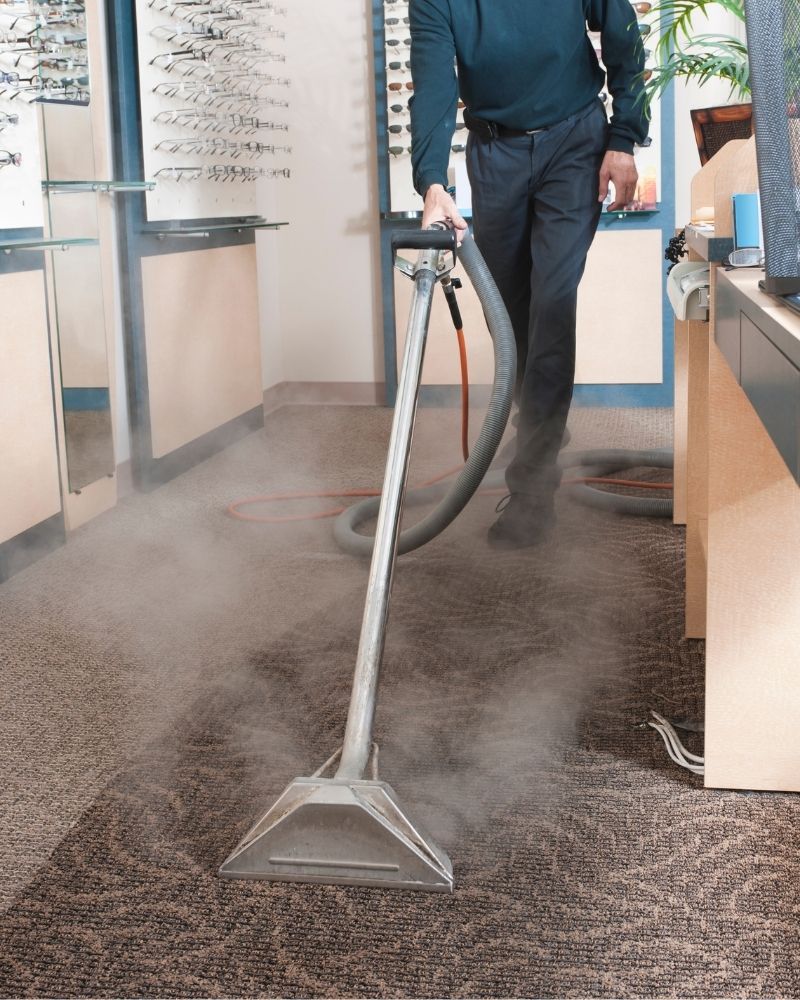
Existing carpet condition matters as well. If the carpet is worn, loose, or heavily soiled, homeowners may want to consider Carpet Cleaning before deciding whether the material should remain next to the newly installed floor.
How Does New Carpet Connect to Existing Hard Flooring?
When new carpet meets an existing hard floor, the installer needs to consider the height of the carpet and padding together.
A thicker carpet may sit above the adjacent flooring, while a thinner carpet may sit lower. Either situation can affect how the transition is finished.
The transition should also account for normal foot traffic between rooms, particularly in busy residential spaces, offices, or other commercial environments.
What Changes When Tile Meets Another Flooring Material?
Tile adds another set of considerations because it is rigid and usually installed over setting materials.
During Tile Installation, the total height of the tile assembly may differ from surrounding flooring. This is especially noticeable where tile meets carpet, laminate, or another existing hard surface.
Planning this connection before Tile Flooring Installation begins can help reduce the need for awkward adjustments later.
Tile edges should also be protected where they meet a softer or lower flooring material.
Can Two Hard Floors Meet Without a Transition Strip?
Sometimes, but it depends on the materials and installation systems involved.
Two hard surfaces that are similar in height may be able to meet with a narrow transition or another finishing method. However, some flooring systems require expansion space around their edges.
The manufacturer’s instructions should guide how the flooring is terminated at doorways and where one surface meets another.
The visual goal should not override the technical requirements of the flooring system.
Why Does Floor Height Matter Between Rooms?
Floor height is one of the most important transition details.
A small difference may be easy to handle with the right transition piece, while a larger difference may require additional planning.
Height differences can be influenced by:
- Flooring thickness
- Carpet padding
- Underlayment
- Tile setting materials
- Existing flooring layers
- Subfloor conditions
Homeowners should not assume two rooms will finish at the same height simply because they looked level before the project began.
How Do Doorways Affect Flooring Transitions?
Many flooring transitions occur directly beneath doors.
This means the transition should be positioned so it looks natural when the door is open or closed. The flooring should also leave enough clearance for the door to move without scraping the surface.
Should Existing Flooring Be Replaced at the Same Time?
Not always.
If the existing flooring is in good condition and works well with the new material, it may remain in place.
For example, existing carpet that is still structurally sound may simply need cleaning before it sits next to a newly installed laminate or tile floor. Older tile may also remain if the transition can be finished properly.
Replacing flooring throughout the entire home is not necessary just to achieve a clean transition between two rooms.
What Should Be Planned Before Installation Begins?
Before installation, homeowners should review every area where the new floor will meet an existing surface.
Useful questions include:
- Are the two materials the same height?
- Will a transition strip be needed?
- Does the existing floor need cleaning or repair?
- Is the doorway wide or narrow?
- Will the door still clear the new flooring?
- Does the new material require expansion space?
Answering these questions before work begins can make the installation process more predictable.
Plan Flooring Transitions Before Materials Are Installed
Laminate, carpet, and tile all require different approaches at doorways and material changes. Height, edge protection, installation method, and the condition of the existing floor should all be reviewed before the new surface is installed.
Homeowners and property managers in Surprise, AZ should plan these transitions early so the connection between rooms looks clean and functions properly.
Adelfa Abril
Adelfa Abril, a seasoned wordsmith specializing in the realm of Home Improvement, infuses her writing with a unique blend of creativity and practical insights. With a deep appreciation for the artistry of home transformation, Adelfa is committed to guiding her readers through the intricate and rewarding journey of enhancing living spaces. In Adelfa's narratives, words take on a vibrant hue, painting a vivid picture of innovative designs, sustainable practices, and the seamless integration of functionality and aesthetics. Her articles serve as an invaluable resource for those seeking not only to beautify their homes but to infuse them with character and personality. Adelfa Abril's exploration of Home Improvement goes beyond the ordinary, delving into the uncharted territories of unconventional designs, mindful living, and the joy of do-it-yourself endeavors. Her writing captures the essence of making homes not just visually appealing but also spaces that resonate with the unique stories of those who inhabit them. With a wealth of knowledge at her fingertips, Adelfa's commitment to delivering content is evident in every piece she crafts. Her articles are more than informative guides; they are invitations to embark on a transformative journey where Home Improvement becomes an art form, accessible to all who seek to express their individuality through their living spaces. Adelfa Abril invites readers to explore the exciting intersection of expertise and inspiration. Through her engaging and thought-provoking writing, she envisions a world where the act of improving one's home is not just a practical endeavor but a delightful and empowering adventure.