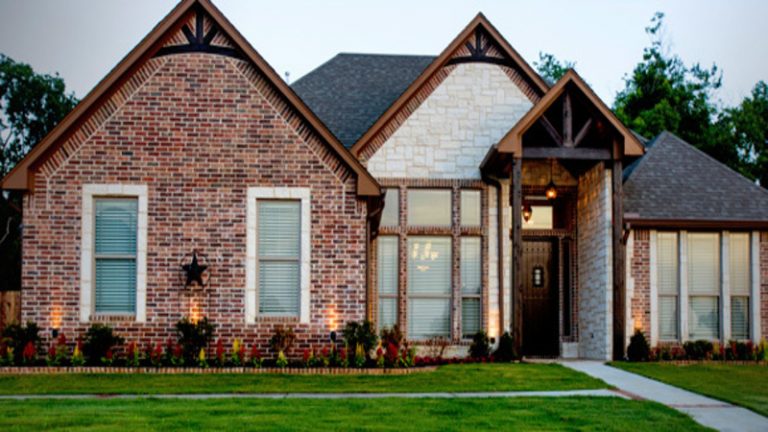
The Des Moines luxury home market has matured considerably over the past decade. Where buyers once had limited options – a handful of production builders offering premium finishes – the market now includes genuine custom builders capable of delivering homes that reflect a client’s specific lifestyle, aesthetic, and long-term goals.
That expansion has also made evaluation harder. Every builder in the segment claims to be “luxury.” Here’s how to separate the ones who mean it.
What luxury actually means in construction
Luxury is not a finish level. It’s not granite countertops or wide-plank hardwood floors – those are table stakes at this price point. Real luxury in a custom home is precision: tight construction tolerances, superior sound attenuation between rooms and floors, mechanical systems that perform quietly and efficiently, and a building envelope so well sealed and insulated that energy performance becomes a genuine amenity rather than an afterthought.
When evaluating builders, ask how they define quality at the structural level – not the finish level. A builder who talks exclusively about material selections is selling aesthetics. A builder who talks about framing tolerances, air sealing, and mechanical system design is selling performance.
The design process tells you everything
A luxury custom home starts with a design process that takes the client seriously. That means discovery conversations about how you actually live – not just how many bedrooms you need, but how your family moves through a home in the morning, whether you cook and entertain simultaneously, how much natural light matters to you, and what the home should feel like ten years from now when your circumstances may have shifted.
The best luxury custom home builder des moines buyers work with will spend significant time in design before a single permit is pulled. They’ll use that time to surface conflicts between your wishlist and your budget, resolve them honestly, and produce a plan that reflects a genuine synthesis of your priorities – not a compromise that leaves everyone mildly dissatisfied.
Subcontractor quality is non-negotiable
A luxury builder is only as good as the subcontractors they use. In the Des Moines market, the best custom home builders work with a consistent, vetted trade network – electricians, plumbers, tile setters, cabinet installers, and finish carpenters who have built to that builder’s standards many times before.
Ask directly: do you use the same subcontractors across projects, or do you bid each trade separately? Builders who maintain consistent trade relationships produce more predictable results because their subs know the standards and have no learning curve on each new project.
How transparency separates the tier
At the luxury price point, cost transparency is not a courtesy – it’s a baseline expectation. You should receive a detailed cost breakdown before signing a contract, understand what is and isn’t included in the base specification, and have a clear mechanism for tracking costs as the project progresses.
Builders who resist detailed cost breakdowns early in the process are typically managing margin in ways that would be uncomfortable if made visible. At this investment level, that’s not acceptable. A builder who opens the books early and explains every line demonstrates the kind of confidence that comes from doing things correctly.
A luxury home is not a product – it’s an ongoing relationship. Systems need tuning. Seasonal adjustments are part of the first year. Questions arise that weren’t anticipated during the build.
Ask potential builders how they structure their post-closing relationship. Is there a formal one-year walkthrough? A dedicated contact for warranty issues? A documented process for how service requests are triaged and resolved? The builders who take this seriously have typically been burned – or watched competitors get burned – by treating closing as the end of the engagement.
Choosing a luxury custom home builder in Des Moines is ultimately a judgment about people as much as process. You’re selecting a team you’ll work closely with for twelve to eighteen months, through decisions large and small, moments of excitement and moments of frustration. The technical credentials matter, but so does whether you trust how they communicate, how they handle disagreement, and whether their vision of quality matches yours.
Take the time to meet the team – not just the principal or sales lead, but the project manager who will be your day-to-day contact. Tour a completed project and talk to the owners. Ask hard questions and pay attention to how they’re answered. That process will tell you more than any portfolio.